







































Live dealer games on the Sugar Rush platform provide a structured digital bridge between remote play and traditional table game environments. These sessions are broadcast from real-time studio settings where standardized procedures govern each round. The platform integrates these games as a distinct category, operating under compliance frameworks that specify game integrity, data handling, and player verification protocols. All sessions follow predefined rules established by the game provider, with no deviation permitted during active play. Availability of specific tables and game variants is subject to provider licensing agreements and regional regulatory requirements applicable to players in Canada. Technical infrastructure supports continuous streaming with automated oversight to maintain consistency. The role of these games within the platform is to offer a monitored, rule-based alternative to automated digital tables, without altering the fundamental probability structures of the underlying games.
Categories of Live Dealer Games and Studio Configurations
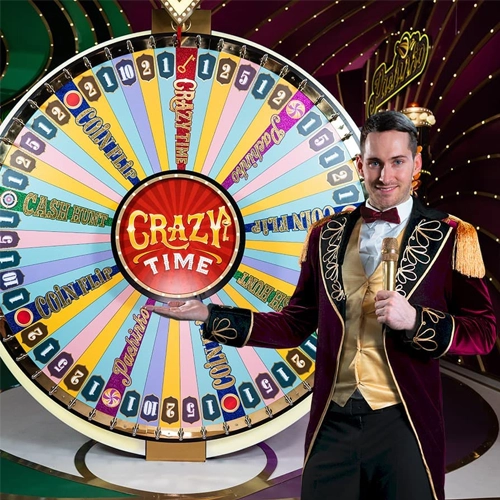
Live dealer games on the platform are organized into distinct categories based on traditional casino table formats and modern game-show adaptations. The primary categories include live roulette, live blackjack, live baccarat, and live game-show titles. Each category operates from dedicated studio spaces designed to support multiple camera angles and uninterrupted gameplay. Roulette studios typically feature a single wheel and a ball-drop mechanism, with cameras positioned to capture wheel rotation, ball trajectory, and the final pocket. Blackjack and baccarat tables use a semi-circular layout with designated player positions, each covered by overhead and face-up cameras to record card dealing and hand values. Game-show formats, such as wheel-based or prize-drop games, are housed in larger studio sets with enhanced lighting and multiple camera rigs to track physical elements like spinning wheels or dropping objects. Camera setups are fixed but switchable during play, allowing the operator to show close-ups of the table surface or wide views of the entire studio. All physical equipment, including cards, wheels, and shuffling machines, is subject to regular inspection and calibration. Gameplay principles remain consistent across categories: every round follows a set sequence of betting, dealing, and outcome determination, with no manual intervention altering the results. The studio environment is soundproofed and controlled to eliminate external interference.
Streaming Technology, Device Compatibility, and Interface Design
The technical delivery of live dealer games relies on a combination of hardware encoders, streaming protocols, and client-side rendering. Video is captured at broadcast-grade resolution using multiple cameras per table, then encoded in real-time using H.264 or H.265 standards. The platform streams these feeds via HTTPS using adaptive bitrate technology, which automatically adjusts video quality based on the player’s network throughput. Supported bitrates range from 1.5 Mbps to 8 Mbps depending on the selected quality level and device capability. The interface is rendered within a standard web browser or dedicated application, with no additional plugins required. Compatibility extends to desktop computers running Windows and macOS, tablets, and smartphones using iOS and Android operating systems. The interface presents the video stream in a central window, surrounded by control panels for bet placement, chip selection, and game history. Bet input mechanics operate on a drag-and-drop or tap-to-place model, where players select a chip value from a virtual tray and apply it to designated areas on the digital table overlay. Network requirements include a stable connection with latency under 100 milliseconds for optimal synchronization between video and bet timers. Higher latency may result in delayed image updates, but the platform enforces cutoff times to prevent bets placed after the round closes. Connection stability is monitored continuously; if the stream drops, the system retains the player’s active session and recovers automatically when connectivity resumes.
Dealer Responsibilities, Rule Enforcement, and Fairness Controls
Dealers in the live environment are trained to follow strict procedural scripts that govern every action during a game round. Their responsibilities include operating the physical equipment, announcing outcomes, managing the shuffle and deal sequence, and verifying that all player bets are recorded before the close of betting. In blackjack and baccarat, dealers handle cards manually or use automated card dispensers that randomize the order of play. Card handling protocols require the dealer to expose each card in a consistent manner, with the camera framing the card face until it is placed on the table. For roulette, dealers spin the wheel and release the ball in a standardized motion, with the wheel allowed to rotate for a minimum number of revolutions before the ball settles. Rule enforcement is automated for certain parameters, such as bet acceptance windows and payout calculations, but the dealer retains authority to pause or cancel a round if equipment irregularities are observed. Outcomes in card games are determined by the live draw, which follows the same statistical probabilities as automated random number generators, but with physical verification. In game-show formats, physical mechanisms such as wheels or drop tubes are triggered by the dealer, and the result is recorded by sensors and verified by separate monitoring systems. Fairness controls include pre-game equipment checks, continuous video recording, and independent auditing of recorded sessions by the provider. All dealer actions are logged in the system, and players can review the last period of their own session through the interface.
Table Limits, Game Availability, and Regional Constraints for Canada
Table limits for live dealer games on the platform vary by game type, studio, and time of day. Minimum stakes for roulette tables typically start at CAD 1 per inside bet and CAD 5 per outside bet, while maximum limits can reach CAD 10,000 per round depending on the variant. Blackjack tables generally offer minimum bets between CAD 5 and CAD 25, with maximums up to CAD 5,000. Baccarat limits are set per hand, with minimums starting at CAD 10 and maximums at CAD 10,000. Game-show titles often have lower minimums, around CAD 0.50 to CAD 1, and maximums that cap at CAD 500 due to the high-volatility prize structure. During peak hours, typically between 6 PM and 11 PM Eastern Time, more tables are made available to handle increased demand, while off-peak periods may see reduced table counts or longer wait times. Availability of specific providers and game variants is managed through the platform’s backend and may differ between provinces due to licensing agreements. Players in Ontario, for example, must access tables that comply with the Alcohol and Gaming Commission of Ontario requirements, which may limit certain game-show titles or impose stricter bet limits. Other Canadian provinces operate under different regulatory frameworks, and the platform adjusts the game list accordingly. Provider-based restrictions also apply: some studios do not offer all their games to Canadian players, and the platform cannot override these geographic blocks. The platform regularly updates its table inventory based on provider releases and regulatory changes, with no advance notice of temporary removals. All limits and availability are displayed in the game lobby before a player joins a table. The sugar rush demo slots option is available as a practice mode but does not replicate live dealer conditions. The sweet bonanza sugar rush format is not a live dealer game, but its mechanics are referenced in the game-show category. Players who wish to sugar rush play should verify table limits and licensing status before session start. The sugar rush slot canada section refers to automated slot games, which operate under separate rules from the live dealer environment.